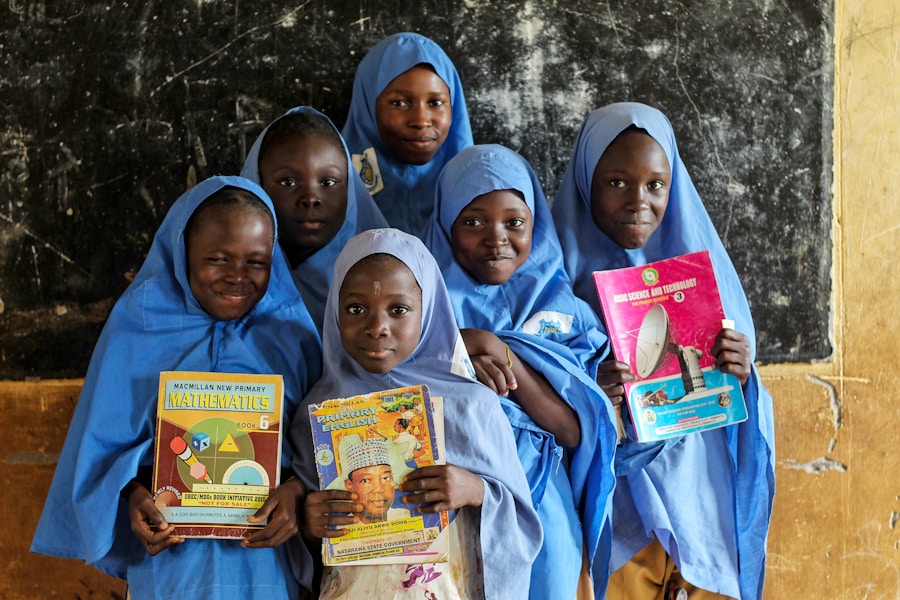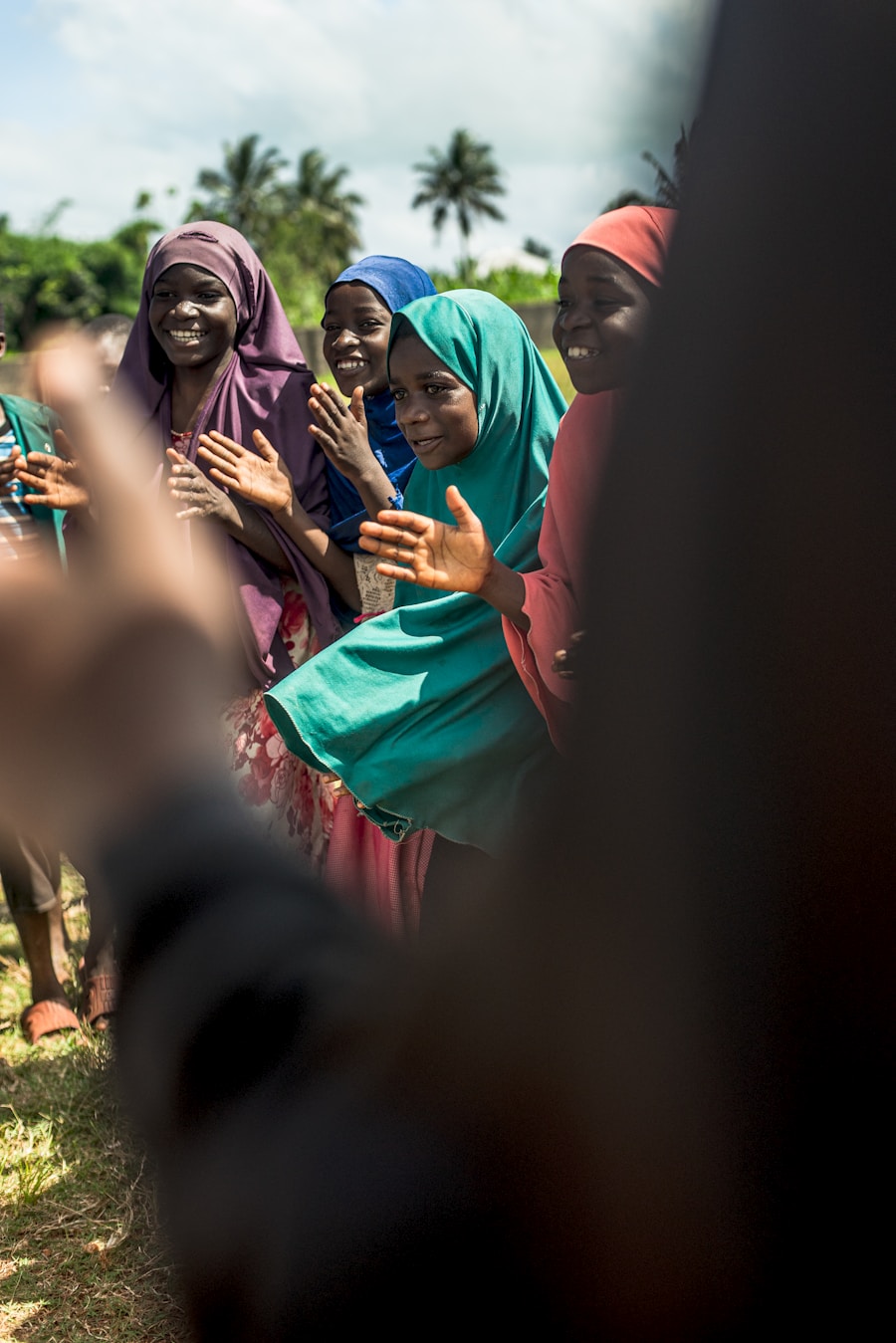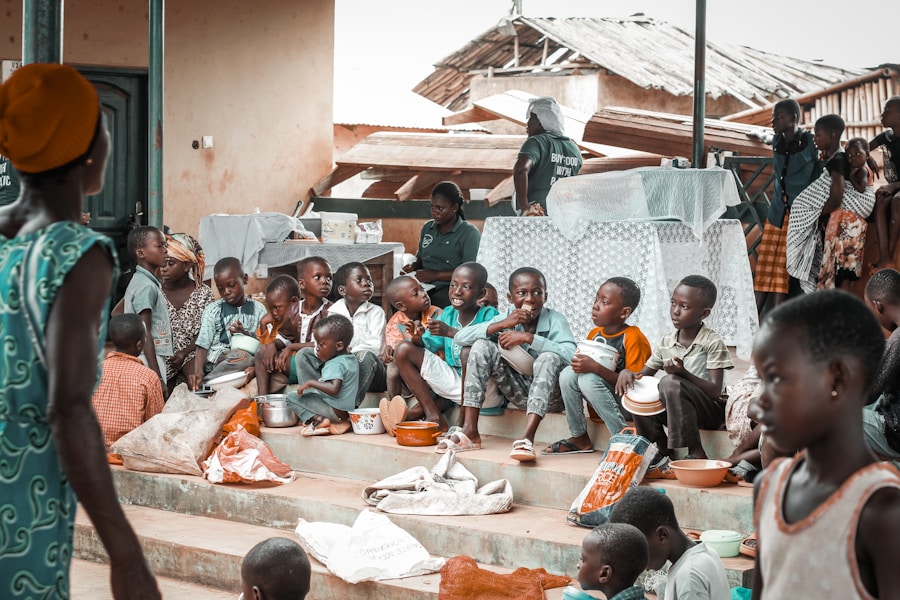
We are not only a consulting firm — we are a Somali institution committed to building the communities and organisations we serve.
Born here. Working here. Building here. Not an external consultant — a Somali institution.
At MARCO, we believe that the most sustainable form of development is one where communities and local institutions are not just the subjects of support — they are its drivers. Since our founding in 2015, we have committed a portion of every engagement, every training programme, and every knowledge product to investing in the organisations and professionals around us.
This is not corporate social responsibility as an afterthought. It is integral to how we define our work. We are a Somali firm. The strength of Somalia's NGO sector, government institutions, and civil society is our strength. Every local consultant we train, every framework we share, every capacity we build, compounds into a more resilient development ecosystem.
Somali NGO staff and government officers trained in MEAL, proposal writing, and data analysis.
Methodologies, frameworks, and tools shared with local partners — not kept proprietary.
Sustained relationships with community-based organisations, local NGOs, and district authorities.
Four structured initiatives through which MARCO invests in Somalia's people, institutions, and knowledge infrastructure.
Practical training for Somali NGO and government staff
MARCO runs structured training workshops equipping local NGO staff and government officers with practical Monitoring, Evaluation, Accountability, and Learning (MEAL) skills. Modules cover survey design, digital data collection tools (KoboCollect, ODK, SurveyCTO), indicator development, data analysis, and report writing — all contextualised for Somalia's operating environment.
Participants leave with hands-on skills they can apply immediately. Where possible, training is delivered as Training-of-Trainers (ToT) so capabilities cascade across organisations. MARCO provides follow-up coaching for 30 days post-training.
Helping local NGOs compete for institutional funding
Somalia's local NGO sector loses disproportionate amounts of humanitarian and development funding to international organisations — not because of a deficit in mission, but in the technical language of donor-compliant proposals. MARCO bridges this gap through structured proposal writing coaching, logframe development support, and budget narrative guidance.
We have supported multiple Somali NGOs in developing concept notes and full proposals for USAID, ECHO, FCDO, and UN agencies. Our coaching approach is hands-on: we work through actual live proposals with partners, not generic templates.
Connecting programmes with evidence on effective approaches
Through our market assessments and livelihoods programme work, MARCO actively contributes knowledge to organisations designing economic empowerment interventions for youth and women in Somalia. We share aggregated market data, labour market findings, and lessons from value chain assessments to inform programme design.
We also participate as technical reviewers and advisory partners for NGOs and CBOs designing cash-based interventions, vocational training, and market-linked livelihoods programmes — contributing technical expertise pro bono where capacity is most limited.
Making evidence accessible to Somalia's development community
Research and evaluation findings are only valuable if they reach the people who can act on them. MARCO hosts periodic knowledge exchange forums bringing together NGO practitioners, government officials, community leaders, and donor representatives to review evidence from our evaluations and baselines — and discuss how findings should shape programmes and policy.
We publish accessible summaries of our evaluation findings (with client permission), contribute to sector coordination mechanisms, and regularly participate in inter-agency learning events. Evidence produced by MARCO belongs, ultimately, to the communities it was gathered from.
MARCO's community engagement is built on trusted partnerships with Somalia's civil society.